
How Screen Time Impacts Eye Health at Every Age
Blog:How Screen Time Impacts Eye Health at Every Age
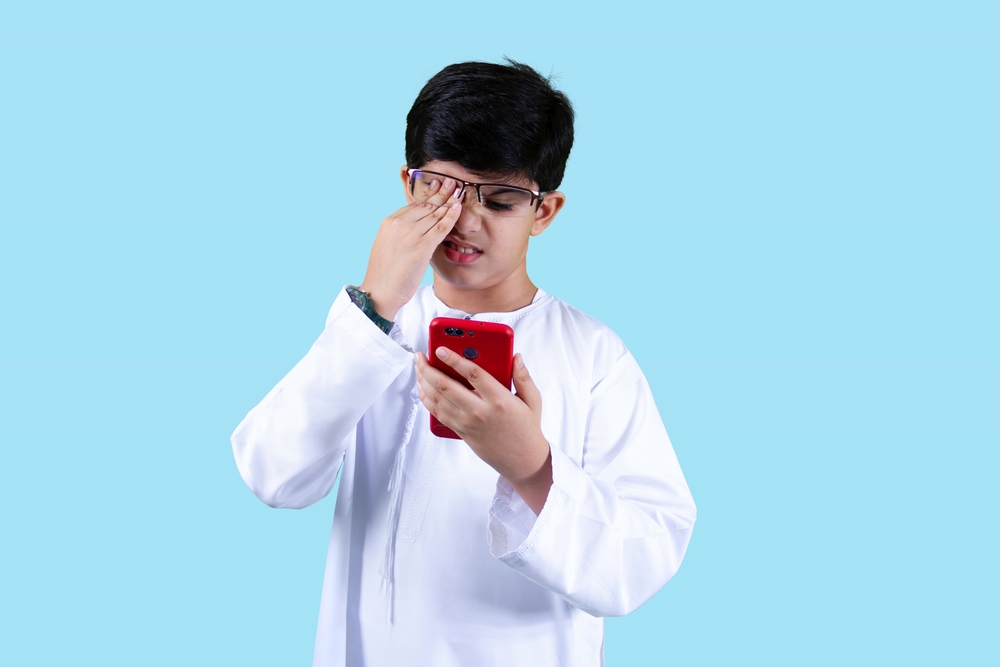
Screens are a part of daily life, but their effects on your eyes change as you get older. Kids, teens, adults, and seniors each face unique challenges related to digital devices. Knowing these differences can help you take care of your eyes at every age.
What Happens When You Stare at Screens
You may get dry eyes, blurry vision, or headaches. This happens because people blink less when looking at screens. Usually, you blink about fifteen times a minute, but that can drop by half when you focus on a screen.
The good news is that screens do not cause lasting harm. Any discomfort is temporary and can be eased with a few simple habits. Take breaks, use artificial tears, and adjust your screen so it is an arm’s length away and just below your eye level.
This is how screen time impacts eye health at every age:
Children and Growing Eyes
Young children’s eyes are still growing, and excessive screen time can increase the risk of nearsightedness. Spending more time indoors on screens means less outdoor play, which is important for healthy vision.
Pay attention to warning signs such as squinting, holding devices very close, or headaches after screen time. For children under two years old, avoid screens altogether except for video chatting. Kids between two and five should have no more than one hour of daily screen use. Getting outside to play for one to two hours each day can help slow the progression of nearsightedness.
Teens and Young Adults
Teens use screens for both schoolwork and socializing, often for many hours a day. They often deal with eye strain, dry eyes, and trouble sleeping. Blurry vision after studying and headaches are also common.
Building good habits now can help your eyes in the future. Make sure your study area has the right lighting and your screen is in a good spot.
Working Adults
Many working adults spend six to ten hours a day on computers. This can cause tired, burning eyes and make it hard to focus later. Neck and shoulder tension are also common problems.
Anti-fatigue lenses designed for office work can help reduce eye strain. Adjust your lighting to cut down on glare and make your workspace more comfortable. Try to blink more often, since focusing on screens makes you blink less. Drink plenty of water to keep your eyes moist during long workdays.
Seniors and Screen Time
More seniors are using tablets to read, video chat, and manage their health online. As we get older, our eyes are more likely to become dry, sensitive to glare, and have trouble focusing on things up close. Reading on screens can become harder as presbyopia develops.
Use a larger font and adjust the contrast to make reading easier. Progressive lenses or reading glasses can help with close-up tasks. Blue-light-filtering lenses may also make things more comfortable. Regular eye exams are important for checking for cataracts and glaucoma.
To learn more about how screen time affects eye health at every age, visit Brinton Family Eye Care. We are located in Indian Land, South Carolina. Call (803) 284-8400 to schedule your appointment.
https://www.aao.org/eye-health/tips-prevention/digital-devices-your-eyes
https://www.danvilleeyecenter.com/how-screen-time-affects-vision-at-every-age/
Quick Links
Helpful Articles
article_category: products
article_category: psychiatry
article_category: faqs
article_category: cats
article_category: general
article_category: services
article_category: technology
article_category: dogs
article_category: restorative
article_category: vision therapy
article_category: contact lenses
article_category: health
article_category: conditions
article_category: eye surgery co-management
article_category: exotic
article_category: cosmetic
article_category: surgical procedures
article_category: aesthetics
article_category: preventative
article_category: ocular disease management
article_category: eyeglasses
article_category: eye health
article_category: large animal
[]
article_category: psychiatry
article_category: faqs
article_category: cats
article_category: general
article_category: services
article_category: technology
article_category: dogs
article_category: restorative
article_category: vision therapy
article_category: contact lenses
article_category: health
article_category: conditions
article_category: eye surgery co-management
article_category: exotic
article_category: cosmetic
article_category: surgical procedures
article_category: aesthetics
article_category: preventative
article_category: ocular disease management
article_category: eyeglasses
article_category: eye health
article_category: large animal
[]
Flowbite is an open-source library of interactive components built on top of Tailwind CSS including buttons, dropdowns, modals, navbars, and more.
Check out this guide to learn how to get started and start developing websites even faster with components on top of Tailwind CSS.

All Eye Care Services
We offer a wide variety of eye care services to the Indian Land community. Contact us with any questions about our services.

Keep In Touch
For non-urgent questions or to learn more about our services, contact us today!
© 2026 Brinton Family Eye Care . All rights Reserved -
Accessibility Statement
-
Privacy Policy
-
Sitemap
Managed and Designed by 